
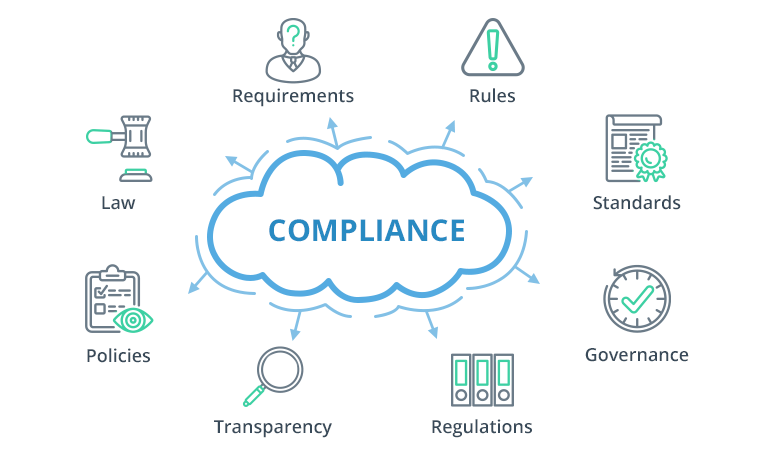
If you are planning to start or expand a financial service business, understanding MSB registration is one of the most important steps you cannot afford to ignore. Whether you are targeting the United Kingdom, Canada, or both, regulatory compliance plays a critical role in determining whether your business can operate legally and grow sustainably.
Many businesses enter the financial services space without fully understanding the complexity of MSB registration. This often results in delayed approvals, rejected applications, or compliance issues that can damage long-term growth. In reality, MSB registration is not just a regulatory formality—it is the foundation of a credible and scalable financial business.
This comprehensive guide explains everything you need to know about MSB registration in UK and Canada, including legal requirements, regulatory frameworks, application processes, costs, and expert strategies to improve your chances of approval.
What is MSB Registration?
MSB registration refers to the process of registering a Money Service Business that provides financial services such as money transfers, foreign exchange, payment processing, or cryptocurrency-related activities. Governments require these businesses to register in order to prevent financial crimes such as money laundering and fraud.
In the United Kingdom, MSBs operate under the supervision of the Financial Conduct Authority, while in Canada, they are regulated by the FINTRAC. Although the regulatory bodies differ, the objective remains the same: ensuring transparency, accountability, and financial integrity.
Why MSB Registration is Important for UK and Canada
MSB registration is essential for building trust and legitimacy in both markets. Financial regulators in the UK and Canada have strict compliance expectations, and businesses that fail to meet these standards risk severe penalties, including fines and operational shutdowns.
When your business is properly registered, it becomes easier to establish relationships with banks, payment providers, and customers. Compliance also positions your business for long-term growth, especially if you plan to expand internationally.
To simplify the process and ensure full compliance across jurisdictions, many businesses rely on professional support such as 7BaaS
which helps structure applications correctly and reduces the risk of rejection.
Regulatory Framework: UK vs Canada
Understanding the regulatory landscape in both countries is crucial for successful MSB registration. In the UK, businesses must comply with the Money Laundering Regulations and implement strict anti-money laundering and customer due diligence procedures. The FCA ensures that firms have strong compliance systems before granting approval.
In Canada, MSBs must register with FINTRAC and comply with similar AML and KYC requirements. Canadian regulations also require businesses to maintain detailed transaction records and report suspicious activities.
While the frameworks are similar in purpose, the application processes and compliance expectations may differ slightly, making it important to tailor your approach for each jurisdiction.
Who Needs MSB Registration?
Any business that deals with transferring, exchanging, or managing money on behalf of customers must consider MSB registration. This applies to businesses offering remittance services, currency exchange, digital wallets, payment processing, or cryptocurrency services.
Even startups and online businesses must comply if their activities fall within regulated financial services. Both UK and Canadian regulators apply compliance requirements regardless of business size.
MSB Registration Requirements Explained
To register successfully, businesses must demonstrate that they have a strong compliance framework in place. This includes preparing Anti-Money Laundering policies that clearly define how risks are identified and managed. Customer verification procedures must also be implemented to ensure that all clients are properly identified.
In addition, businesses must provide detailed documentation about their ownership structure, operational model, and financial activities. Regulators expect transparency and accuracy, and any gaps in documentation can delay the approval process.
Internal controls are equally important. Businesses must establish monitoring systems, appoint compliance officers, and ensure that staff are trained in regulatory requirements. Without these elements, approval becomes significantly more difficult.
Step-by-Step MSB Registration Process
The process begins with identifying whether your business activities fall under MSB regulations in your target jurisdiction. Once confirmed, the next step is to prepare all compliance documentation, including AML policies and risk assessments.
After preparation, the application is submitted to the relevant authority, either the FCA in the UK or FINTRAC in Canada. The regulator then reviews your application in detail, assessing your business model, compliance framework, and risk management practices.
Approval is granted only when the regulator is fully satisfied that your business meets all compliance standards. This is why many businesses experience delays—because their applications lack depth or proper structure.
MSB Registration Costs in UK and Canada
The cost of MSB registration depends on various factors, including the complexity of your business and the level of compliance required. Costs typically include application fees, compliance setup expenses, and ongoing regulatory obligations.
While it may seem cost-effective to handle the process independently, many businesses face delays due to errors or incomplete documentation. Investing in professional support often leads to faster approvals and better long-term outcomes.
How to Get MSB Registration Faster
One of the most effective ways to speed up your MSB registration is to ensure that your application is comprehensive, accurate, and aligned with regulatory expectations. Regulators look for businesses that understand risk management and have strong compliance systems in place.
Working with experts can significantly improve your chances of approval by ensuring that your documentation is complete and professionally structured. If you need guidance or want to start your application, you can reach out here
Common Mistakes Businesses Make
A major reason for delays in MSB registration is the submission of generic or incomplete compliance documentation. Regulators expect tailored policies that reflect the actual operations of your business, not generic templates.
Another common issue is failing to conduct a proper risk assessment or ignoring ongoing compliance requirements. Businesses must understand that MSB registration is not a one-time process but an ongoing responsibility.
Benefits of MSB Registration
MSB registration provides long-term advantages that go beyond compliance. It allows businesses to operate legally, build trust with customers, and establish strong relationships with financial institutions.
Registered businesses are also better positioned to expand internationally and scale their operations. Compliance enhances credibility and makes your business more attractive to partners and investors.
Frequently Asked Questions
What is MSB registration in the UK and Canada?
MSB registration is the process of registering a financial service business with regulatory authorities such as the Financial Conduct Authority in the UK and FINTRAC in Canada.
Is MSB registration mandatory in both countries?
Yes, any business providing regulated financial services must register in both jurisdictions to operate legally.
How long does MSB registration take?
The timeline varies depending on the completeness of your application and regulatory review, typically ranging from weeks to months.
What documents are required for MSB registration?
Businesses need AML policies, KYC procedures, ownership details, and risk assessments.
Can I operate in both UK and Canada with one registration?
No, you must comply with each country’s regulations separately and obtain approvals from both authorities.
What happens if I don’t register as an MSB?
Operating without registration can lead to fines, legal action, and business closure.